










Shop by Category
The Art of Layering – Texture, Depth, and Personal Narrative
Layering is perhaps the most sophisticated and enduring technique in the modern woman’s style arsenal. Far from simply being a strategy for managing changing temperatures, it is an art form that transforms two-dimensional garments into a rich, three-dimensional narrative. It speaks to a deep understanding of textile composition, color theory, and the power of juxtaposition, allowing a wearer to communicate a complex and nuanced sense of style.
At its most fundamental, layering provides structural depth. Instead of a single flat surface, the eye is invited to travel across various lengths, weights, and forms. Think of a sheer, flowing top worn beneath a structured vest, which is in turn paired with a substantial coat. Each piece adds a distinct plane, creating a dynamic interplay of shadows and light that instantly elevates the look beyond the mundane. This technique allows for garments that might be too simple on their own to combine into a powerful, cohesive ensemble. It is the architectural blueprint of a well-dressed person, giving volume and intention where there might otherwise be none.
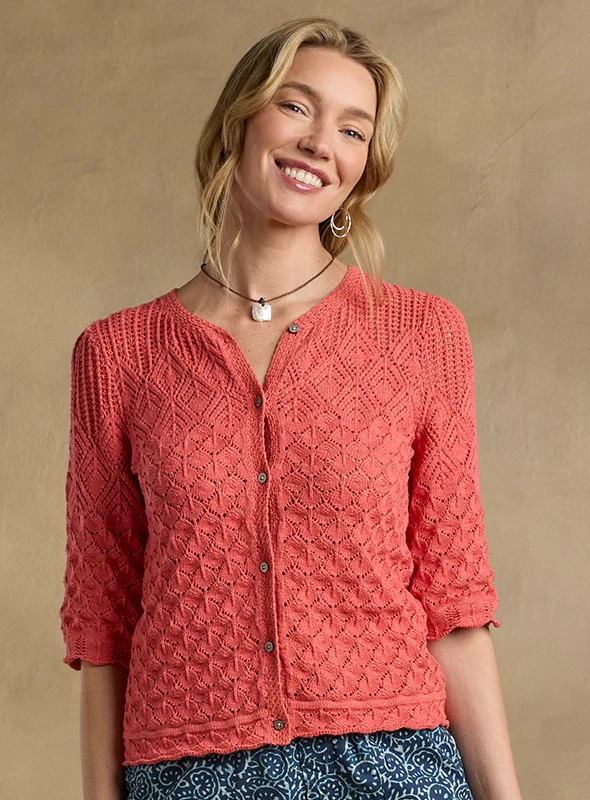
Furthermore, layering is the primary medium for exploring texture. A truly compelling outfit engages not just the sense of sight, but the imagined sense of touch. The contrast between materials is crucial: the rough, matte finish of a heavy wool, for example, is amplified when placed next to the smooth, reflective surface of silk or the delicate knit of a fine synthetic. This tactile conversation between textiles—leather against cotton, tweed against chiffon—adds an immediate sense of richness and complexity. The deliberate mismatching of textures provides a visual friction that prevents the overall appearance from becoming monotonous. It is through this textural interplay that a wearer can convey a sense of considered effort and creative audacity.
Beyond structure and texture, layering is a masterful tool for managing color and pattern. It offers an opportunity to introduce pops of color without commitment, or to subtly integrate bold patterns by allowing only glimpses of them to peek out from beneath solid pieces. A vibrant print, which might overwhelm as a standalone dress, can become an intriguing accent when worn under a neutral open jacket or sweater. Similarly, complementary or contrasting colors can be used in adjacent layers to frame the face or delineate the waist, creating visual interest and strategically guiding the eye across the outfit. This is where personal expression truly flourishes, as the woman decides which parts of her color palette to showcase and which to reserve as a subtle underpinning.
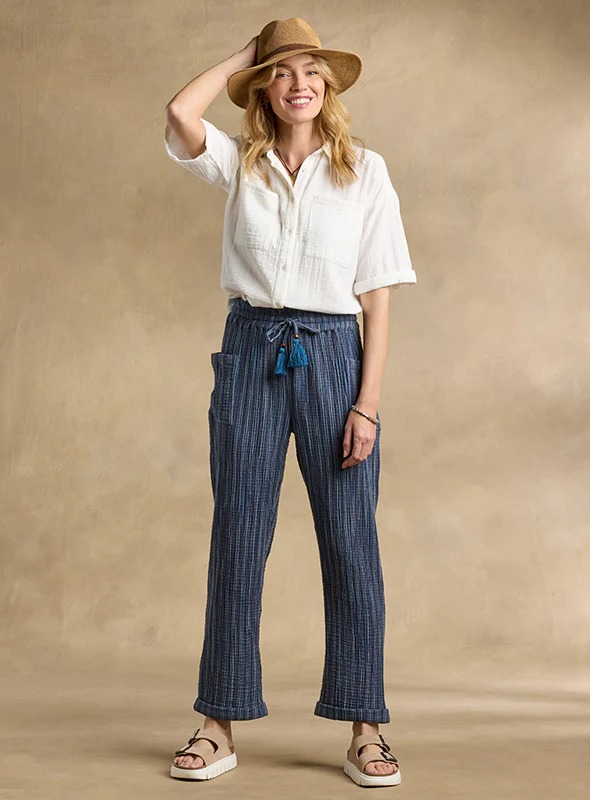
The pragmatic value of layering cannot be overstated, yet it is often the least celebrated aspect. The ability to adjust one’s clothing throughout a day of unpredictable conditions is a practical luxury. However, modern layering has evolved beyond simple utility; it is now about modular style. It allows the same core pieces—a foundational shirt or a classic trouser—to be constantly reimagined. By simply changing the outer shell—from a soft cardigan to a sharp blazer—the entire attitude of the ensemble is transformed from relaxed to professional. This adaptability makes the wardrobe more efficient and sustainable, placing an emphasis on quality foundational garments that can be endlessly styled and restyled.
Ultimately, the art of layering is about personal narrative. It allows a woman to tell a complex story about her tastes and her mood. She might choose to layer delicate, romantic pieces to convey a softer aesthetic, or she might combine highly structured, tailored elements to project confidence and authority. The act of selecting, arranging, and combining disparate elements into a single, harmonious look is a creative endeavor, akin to composing a piece of music or painting a canvas. It requires an eye for proportion and an instinct for balance. The freedom to select and combine items from various categories—outerwear as an internal layer, undergarments as visible accents—demonstrates a mastery of the form, signifying a true individual style that transcends transient trends. This strategic arrangement of garments offers an unparalleled opportunity for creative self-expression, allowing the wearer to craft an image that is detailed, thoughtful, and entirely unique to her personality. The result is an outfit that feels curated, not simply worn, reflecting a deep engagement with the process of dressing.